How to Style • 11 MIN READ • OCTOBER 15, 2026
Best Black Dresses for Women: Styles, Fabrics and Designers
A practical styling guide to high quality black dresses, timeless silhouettes, fabric weights and visionary Black female clothing designers.
By Aurelia Vance-Sterling (Editor-in-Chief and Haute Couture Critic)
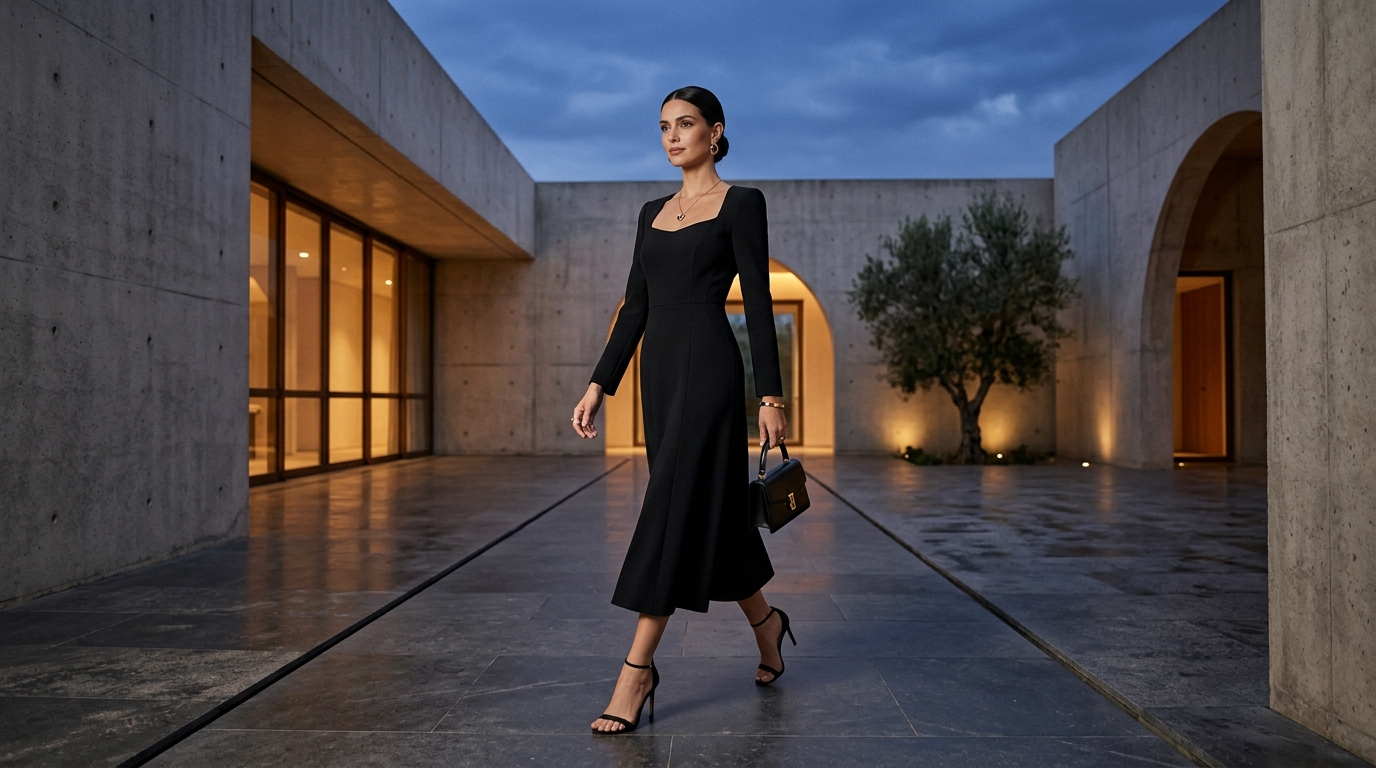
Black is the most demanding shade in a woman wardrobe. Because it carries no bright pigments to distract the eye, it reveals every detail of textile weave, cut precision and shoulder balance. Selecting the best black dresses for women requires looking past mass market marketing to understand fabric weights, internal tailoring and the independent designers shaping modern style.
Fabric Construction: Fiber Weights, Weave Density and Light Reflection
When shopping across designer racks and department stores, black dresses black dresses often look identical from a distance. The real boundary between fast fashion and a genuine high quality black dress comes down to fiber density and weave structure. Cheap polyester uses petroleum-based extruded filaments that trap body heat, collect static cling and turn shiny along pressed seams. High-grade natural fibers behave entirely differently: a pure silk dress cut from 19-momme silk charmeuse glides over skin, double-faced wool crepe weighing 300 grams per square meter holds its shape without creasing and high-twist crepe de chine provides a fluid garment drop.
Fabric weight also determines seasonal comfort and durability. For warm weather, a breathable linen dress or crisp cotton dress in tailored poplin allows body heat to escape, serving as an effortless summer black dress or an easy casual black dress like an everyday t-shirt dress. During cold seasons, dense velvet dress weaves or ribbed merino knit dress yarns provide thermal insulation, performing as a cozy sweater dress or dependable winter black dress.
The way dyed textiles interact with light determines how deep the black appears. Low-twist yarns in high-grade wool yield a clean matte finish that absorbs light and creates a slimming visual effect. Mulberry silk offers a refined subtle sheen that synthetic yarns cannot mimic. Prioritizing dense natural weaves turns a purchase into a reliable closet staple. Choosing an investment black dress over a disposable affordable black dress lowers your cost per wear and gives you a dependable capsule wardrobe black dress.
Visionary Black Designers: Craftsmanship and Silhouette Innovation
Independent black clothing designers bring rigorous patternmaking, original draping and inclusive sizing into contemporary luxury fashion. Adding black owned luxury brands to your wardrobe introduces original tailoring perspectives that reject formulaic mass production.
Celebrated black female fashion designers lead some of the most technically demanding work in modern womenswear. Anifa Mvuemba of Hanifa introduced seamless circular knit engineering, crafting a sculpted bodycon dress and structured midi dress styles that deliver a supportive, flattering black dress across extended sizing ranges.
In New York, Felisha Noel builds Fe Noel around couture draping techniques, creating the romantic off-the-shoulder dress, voluminous puff sleeve black dress and structural draped dress grounded by internal corset bodices. In London, Grace Wales Bonner merges Savile Row tailoring methods with Afro-Atlantic literary references, cutting each sharp designer dress to function as an authoritative work dress or a polished formal black dress. Carly Cushnie established an influential design signature with the minimalist cutout black dress and backless black dress, showing how geometric openings balance evening coverage.
Choosing garments from black female clothing designers supports independent atelier production where patterns are cut by hand rather than automated factory cutters. These ateliers contribute fresh creativity to designer fashion black runways, producing red-carpet couture with lasting artistic value.
Foundational Cuts: Tailoring Across Hemlines, Sleeves and Necklines
Wardrobe versatility relies on choosing specific garment cuts built for different settings and dress codes:
Structured daywear centers on the sheath dress and balanced a-line dress. A fitted sheath with shoulder pads, waist darts and a clean neckline works as a dependable day to night black dress for corporate offices. When temperatures drop, a tailored long sleeve black dress or black dress with sleeves keeps you warm under office air conditioning while maintaining sharp proportions. For warmer climates, a sleeveless black dress in light wool twill keeps you comfortable from morning meetings to evening dinners.
Relaxed silhouettes center on the fluid slip dress and functional shirt dress. A bias cut silk slip dress cut across the diagonal grain of the fabric gives natural mechanical stretch that contours to the body without clinging, creating a flattering silhouette. Paired with kitten heels, it serves as an effortless cocktail dress, or layers under an unbuttoned blazer for daytime wear. For relaxed offices, an Oxford-cotton shirt dress, an adjustable wrap dress, or a relaxed tiered dress and smocked dress with soft gather lines offers comfortable black dress ease.
Formal evening occasions demand floor-length hemlines and sculpted necklines. A floor-sweeping maxi dress or evening dress creates an elongated column, serving as an elegant black dress for formal galas. You can balance your collarbones and shoulders by choosing among a structured strapless black dress, a deep v-neck black dress, an open square neck black dress, or a high halter black dress. For cocktail events, a short mini dress, an accordion pleated dress, or a clean minimalist black dress offers practical movement. Each cut represents a specific variation of the classic little black dress, known across fashion history as the modern lbd.
Selecting these distinct cuts gives you a versatile black dress, a classic black dress and a timeless black dress ready for any formal invitation, delivering the exact utility of a designer little black dress.
Styling and Proportions: Textures, Jewelry and Color Contrast
Styling chic black dresses effectively requires mixing different fabric surfaces so an all-black outfit never looks flat. When styling a distinctive black fashion dress, apply these proportion principles:
Match your jewelry to the neckline open space. Deep sweetheart and square cuts pair naturally with layered necklaces such as a 16 vs 18 inch necklace chain set. High crew and boatneck collars leave the décolletage covered, making upper-ear accents like hidden helix jewelry the most effective focal point.
Mix contrasting fabric finishes within the same outfit. Ground matte wool or crepe with high-shine leather shoes, or layer sheer silk chiffon over opaque tailoring. For casual daytime settings, pair a structured dress with low-profile leather sneakers as detailed in our guide to what is streetwear.
Balance volume between hemlines and jackets. When wearing lightweight, gathered cuts from our overview on types of dresses, wear a tailored jacket with structured shoulders to keep the silhouette defined.
Adjust monochrome styling to your skin undertone. True black has a cool, saturated base. Wearers with muted coloring who fit a soft summer color palette can soften deep black garments by styling them with charcoal knitwear, brushed silver jewelry, or berry lip tones.
Garment Anatomy and Care: Seams, Linings and Fabric Longevity
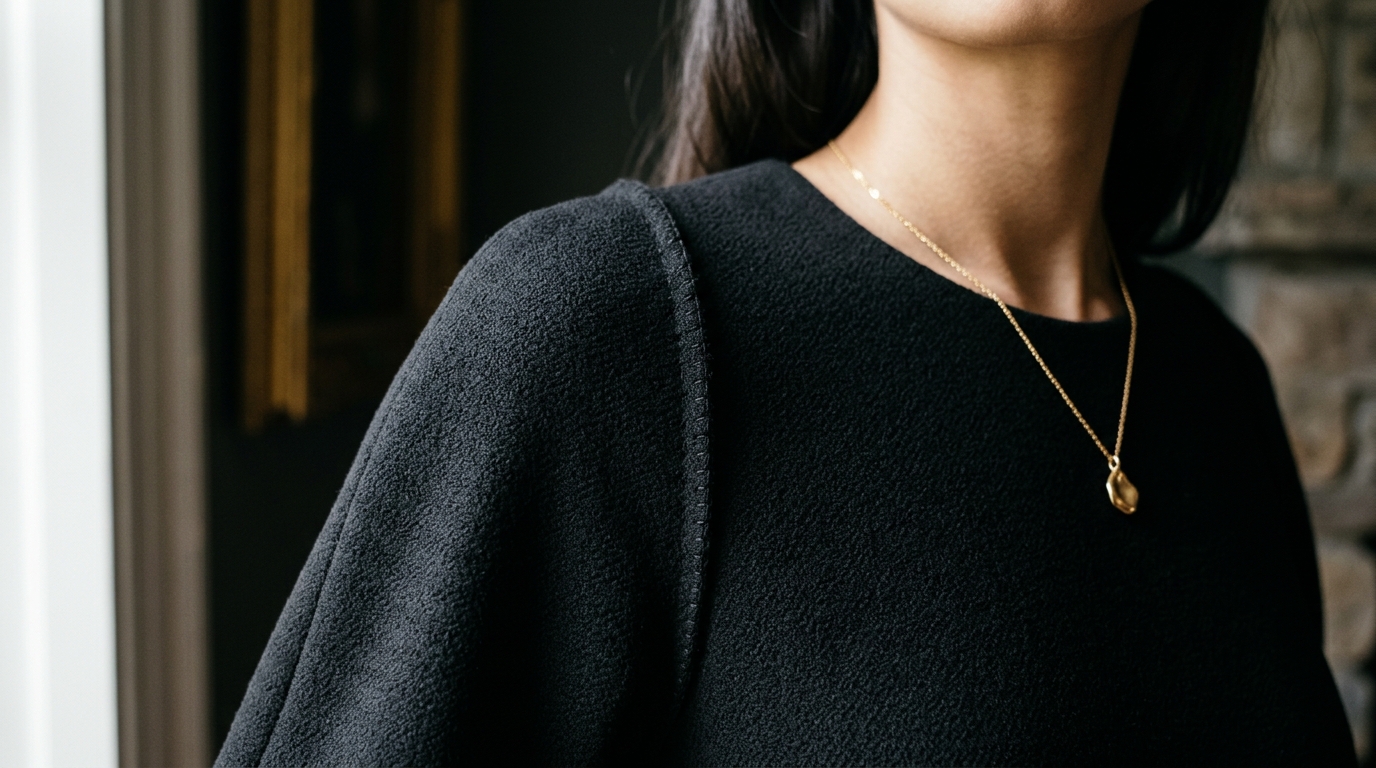
Examining interior garment construction ensures that a unique black dress for women keeps its shape, deep color and seams intact over years of wear. High-grade dresses always feature full interior linings made from breathable cupro or pure silk, which protects face fabrics against perspiration and body friction.
Always check the seam finishing before purchasing. Quality ateliers finish raw fabric edges with enclosed french seams to prevent thread unraveling, paired with a blind hem that hides all stitching from the garment exterior. Follow professional dry cleaning care labels for tailored wool and silk pieces. Between wears, use an upright handheld steamer for garment steamer preservation to relax fiber tension without crushing the textile weave with dry iron plates. Store your unique black dresses on contoured wooden hangers that support the shoulder seams, preventing hanger bumps and keeping investment clothing in pristine condition.
Frequently Asked Questions
How do you identify a high quality black dress before buying?
Inspect the interior construction for clean French seams, full lining in natural breathable fabrics, a blind hem finish and dense weave that does not sheer out under direct light.
Which black dress silhouette offers the most versatility?
A tailored midi dress in heavy wool crepe or matte silk offers the greatest versatility, transitioning easily between daytime professional settings and evening events.
Why are Black female fashion designers influential in dress design?
Visionary Black female fashion designers like Anifa Mvuemba and Felisha Noel have introduced innovative draping, inclusive extended sizing and rich cultural storytelling to modern luxury.
What is the best way to prevent a black dress from fading?
Store dark clothing away from direct sun, use cool water and gentle detergents for washable fabrics and rely on upright steamers instead of pressing flat irons over delicate seams.